Fractional CTO & Execution Architecture

Most companies don't have a sales problem.
They have an execution problem
that shows up in sales first.

The pipeline doesn't lie. When deals slip, discount, or stall — the root cause is almost never in sales. It's in how the company decides, builds, and ships.
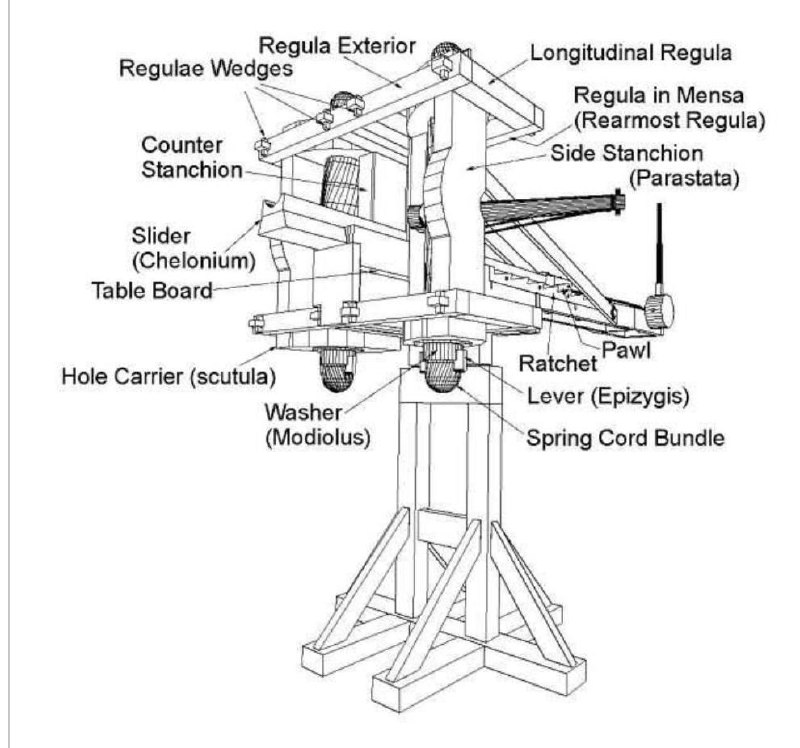
Ballista technical diagram
The requirements document said one thing. Development built exactly that. And yet here you are — staring at something nobody wanted.

They didn't get it wrong. The process did.

This moment — the gap between what was said and what was understood — isn't a communication failure. It's a structural one. It happens at the same inflection point, in the same way, at company after company. Because the system that connects intent to delivery was never built to close that gap.

Most organizations respond by adding more process, more meetings, more documentation. None of it fixes the underlying architecture. The gap just gets better hidden — until the next deadline, the next missed release, the next frustrated customer.

That's the system Ballistarius fixes.

What Gets Sold
"Sales is the first place the system tells the truth."
The Pipeline
When the pipeline stalls, the instinct is to hire reps, run more outbound, tighten the pitch. But the prospect isn't saying no to your product — they're saying no to the version that actually shipped.
The Roadmap
Slipping timelines. Features that missed the mark. Commitments made in confidence that engineering couldn't keep. Sales inherits all of it — and gets blamed for symptoms that started upstream.
The Fix
We fix the execution system — the architecture that connects intent to delivery. So engineering builds the right things, delivery hits its commitments, and sales can sell what you actually built.
Precision. Force. Range.
We operate as your fractional CTO layer — focused not on technology strategy, but on the mechanics of how work actually gets decided, built, and shipped.

We diagnose where value is being distorted: where prioritization breaks down between product and revenue, where delivery systems create rework and unpredictability, where organizational structure hides constraints instead of exposing them. Then we fix it at the system level — not with process tweaks, not with new tools, but with a rebuilt execution architecture that ties directly to revenue.